

Placing a bet on roulette real money from the Gold Coast used to mean dressing up for a night at the casino, but the experience has moved onto phones and laptops. I have built and scaled consumer products long enough to know that the difference between a sticky platform and a forgettable one usually sits in the interface, not the welcome bonus. So I have been poking around what an Australian punter actually sees when they log on, place a chip, and try to find their way back tomorrow. Here is what stands out, where the polish holds, and where the platform drops the ball on everyday usability.
How the Platform Feels When You Actually Play
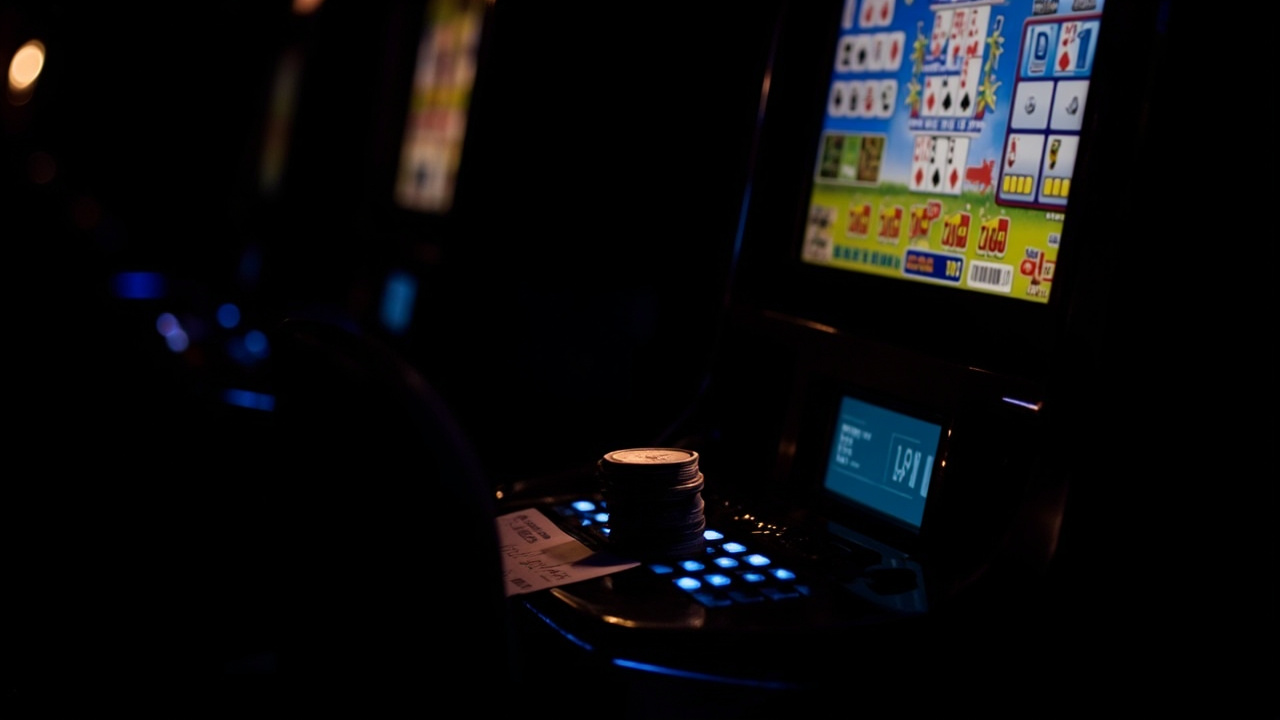
The first thing most punters will notice is the visual identity. The brand leans into a darker palette, which works well on a screen at Jupiters after a long arvo session or at home with the curtains drawn. The roulette wheel renders cleanly, and the betting grid keeps a sensible amount of breathing room around each chip stack, so fingers on mobile do not feel like they are threading a needle. Compared to the dashboards I have shipped for early-stage products, the load times feel measured, not rushed, and that matters when you are watching a number settle.
Navigation follows a familiar shape: a left rail for game categories, a top bar for cashier and promos, and a search field that returns results quickly when you type a provider name. Registration is short, asking for the usual baseline of personal details, and the cashier exposes AUD alongside a couple of crypto options, which is a sensible nod to how Australians actually move money online. Crucially, the live tables show the dealer’s hands in clear view, and the platform makes a point of letting dealers cut chips into neat stacks so cameras can quickly verify amounts, a small but underrated trust signal that gets missed in most reviews.
Playing a Bet on Roulette Real Money Day-to-Day
Two scenarios capture what the experience actually feels like once you move past the front door. One is the casual after-work punter, the other is the longer weekend session. Both stress different parts of the interface, and both reveal where localisation is doing real work.
The Five-Minute Quickie After Work
A punter finishes their shift on the Gold Coast, opens the app on the train home, and wants a couple of quick outside bets before dinner. The mobile build needs to load straight into a lobby that shows live roulette up top, not buried under a slot carousel. Here, the platform performs well: the live casino tile sits high in the layout, the game filter remembers that you prefer French and European wheels, and the chip selector responds instantly when you double-tap a street bet. A few small annoyances do creep in. The cashier occasionally asks you to re-select AUD even when the wallet is already set, and the responsible gambling panel takes one extra tap to reach than it should. For a defo time-poor punter, that one tap adds friction, but it does not break the flow.
The Longer Saturday Session
On the weekend, the same punter settles in for a couple of hours, mixing inside bets, neighbour bets, and a few side games. The search bar earns its keep here, because it pulls up table limits and provider names without forcing a click into each lobby. Camera angles on the live dealer are stable, and the chat moderation keeps things civil. One thing I would push the team to fix: the bet history on mobile is a little cramped, and the export function hides under a profile menu that most players will never open. As someone who has watched retention hinge on small UX choices, I reckon that is a missed chance to give regulars a reason to stay loyal beyond a promo calendar.
Where the Interface Meets Real Player Needs
A platform can look tidy and still frustrate the people who actually use it. The strongest signal here is that the language is fully localised, with AUD as the default currency and date formats that match how Australians read them, not a lazy copy-paste from a European template. Support runs through live chat and email, with response times that feel honest rather than theatrical. The loyalty program is straightforward: points accrue on real-money roulette play and can be exchanged for bonus credits, with terms spelled out in plain English rather than buried in fine print. Players who care about verification will appreciate that documents upload straight from the phone camera, and the approval queue moves faster than industry average based on what I have seen from comparable operator stacks I have worked with. None of this is glamorous, but it is the kind of plumbing that decides whether a punter comes back next Friday or quietly drifts to another site.
A few quick terms worth knowing before you load a table:
- European wheel: A single-zero roulette layout, which gives the house a lower edge than the American double-zero version.
- Inside bet: A wager placed on specific numbers or small groups of numbers on the grid.
- Live dealer: A real person streamed from a studio who spins the wheel and settles bets in real time.
- AUD cashier: The deposit and withdrawal screen configured to show balances in Australian dollars.
If you want a starting point that I have found reasonably consistent, bonus rocket play is worth a look, and for a different angle on real-money roulette at a European-facing brand, this Tombola roulette guide covers a similar brief.
The interface is doing more heavy lifting than any bonus ever will, and that is exactly how it should be. If you are weighing where to place your next real-money bet on roulette, what is the one feature that would actually keep you coming back, sharper camera angles, faster withdrawals, or a cleaner mobile bet history?